The Damage Caused by Online Piano Lessons (And How to Heal It)
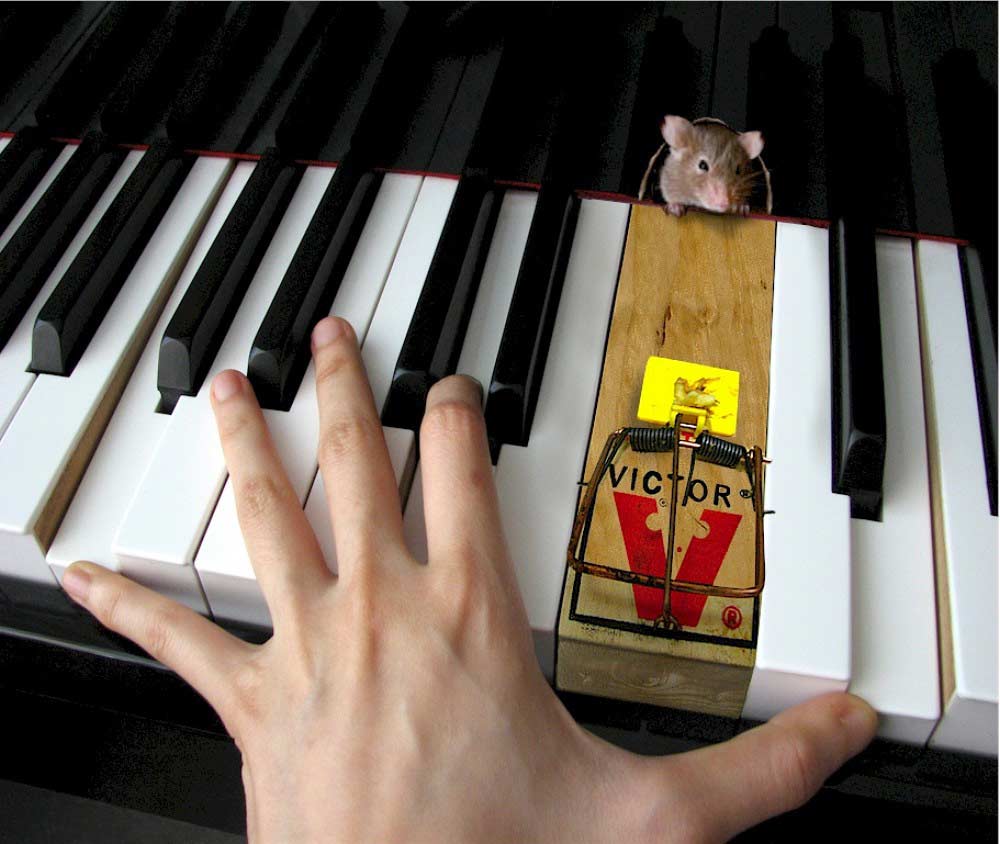
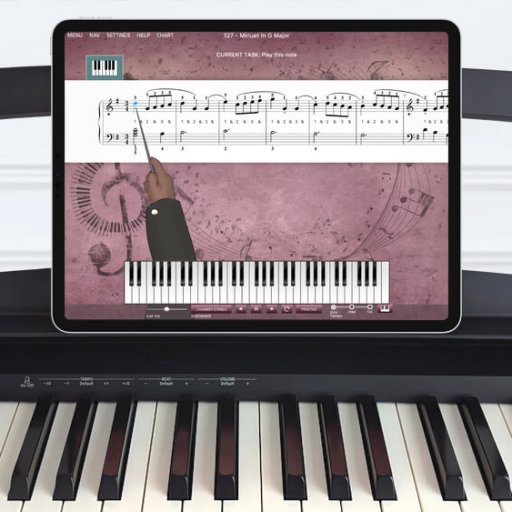
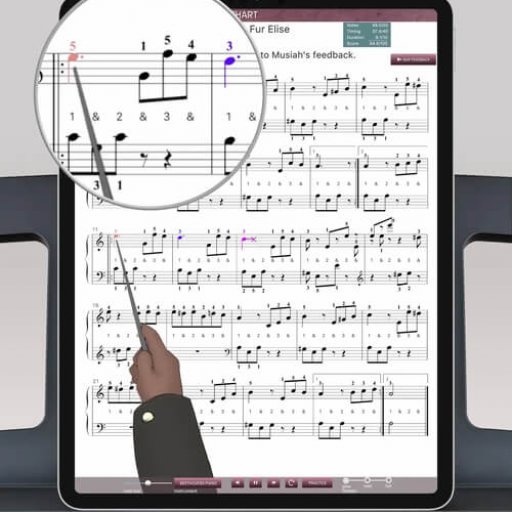
There is something unusual about Musiah — the piano lessons app with an AI teacher, and it isn't the AI technology or the optional adventure-story setting. It is something much more mundane yet, surprisingly, very rare in the world of digital learning:
Musiah requires you to actually finish each piece before allowing you to advance.
In a world of "instant-access" apps, this sounds like a shock. But in my view, this is Musiah's greatest strength. It mirrors the experience of a master teacher who fosters the discipline, patience, and standards required to actually play the instrument.
The "Pretender" Trap: Fake Progress
The problem with most online piano lessons (other than Musiah) is that they permit students to move onto the next song before the current one is even half-mastered. This creates a dangerous "spoilt child" syndrome where the student gets what they want without ever having to earn it.
When a student eventually switches to a credible provider—like Musiah or a traditional private teacher—the "damage" becomes apparent. They are met with a rude awakening: they realize they aren't nearly as advanced as their previous app led them to believe.
"Nothing is more intolerable than to have to admit to yourself your own errors." — Beethoven
This realization often deflates a student's enthusiasm. They feel frustrated because they are no longer getting a "free pass." They mistakenly believe there is something wrong with the new teacher, when in fact, the fault lies with the "easy" app that lulled them into a false sense of security.
Enthusiasm vs. Mastery
Many parents and adult students believe that "enjoyment" is the only metric that matters. If the student isn't having fun every second, they assume the method is failing. This is a mistake. There are two types of enthusiasm in music:
- Novelty Enthusiasm: The short-term high felt when something is easy and requires little effort. This inevitably fades when real challenges arise, leading to boredom and "quitting."
- Mastery Enthusiasm: The deep, lasting pride that comes from earning your success. This is where real self-esteem is built, and it only comes from overcoming difficulty.
How to Heal the Damage
If you have been "damaged" by apps that prioritized game-mechanics over pedagogy, you can still recover. It requires a Period of Adjustment. You must open your mind to a more rigorous standard and give yourself at least 2–3 months to reset your expectations.
You have two choices:
- Continue with a provider that allows a "meaningless pretense" at progress. You will feel good for a short time, but you will never truly acquire the skill of playing the piano.
- Choose a method that treats you like a real musician. Musiah may be a AI teacher, but the standards—and the results—are real.
Ready for a Real Music Education?
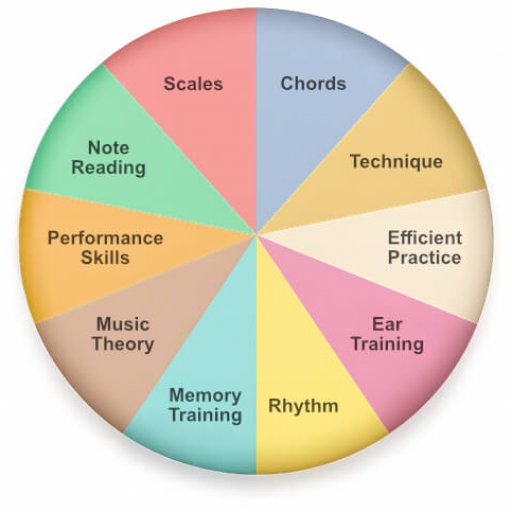
Experience the precision of the world's most advanced Piano Lessons App—featuring the only AI Piano Teacher capable of delivering a professional syllabus.