Are Piano Exams Necessary? (The Truth From a Former Examiner)
Whether you are a parent considering exams for your child or an adult beginner looking for a way to measure progress, there is a common view that piano exams are a "must-have" milestone. Among many teachers, this view is so pervasive that entire years are structured around a single 15-minute exam in November.
But as a former examiner for bodies like ANZCA, I’ve seen the side of the industry that parents and students rarely see. And the truth is: Exams are often far less beneficial than you’ve been led to believe.
Whether you are a parent considering exams for your child or an adult beginner looking for a way to measure progress, there is a common view that piano exams are a "must-have" milestone. As the creator of the Musiah AI Piano Teacher, I’ve seen thousands of students struggle with this decision—and as a former examiner for bodies like ANZCA, I’ve seen the side of the industry that parents rarely see.
The truth is: Exams are often far less beneficial than you’ve been led to believe. In fact, the traditional exam cycle can often cause more harm than good to a student's long-term musical development.
The Stagnation Trap
The biggest issue with the traditional exam cycle is what I call "Learning Stagnation." Because exam entries close months in advance, students often have their pieces "ready" by July for a November exam. Rather than learning new, exciting material—which would actually build their skills—they spend four months playing the same three pieces and the same scales over and over.
This is soul-destroying for the student and leads to a lack of variety that kills the joy of music. At the extreme end, I once had a parent ask if a 7-year-old’s Preparatory exam results would count toward his university points! This "exam-only" mindset is a distraction from real musicianship.
The "Betterment Factor" Secret
Here is something you won't find on any examining body’s website: The Betterment Factor.
Many examining bodies require their examiners to apply a "boost" (often around 15%) to scores for beginner grades (Preparatory to Grade 1). The goal is to "encourage" students so they keep coming back (and paying fees). If a student scores 100%, you don't actually know if they earned it, or if an 85% was lulled into a perfect score to make everyone feel good. Praise is only meaningful when it is genuinely earned.
Goal Setting Without the Stress
Exams are often defended as "a goal to work towards." While goals are vital, the examining experience itself is frequently negative—gruff examiners, non-refundable fees, and rigid scheduling that ignores a student's real life.
If you want the benefits of goal-setting without the stagnation, consider these alternatives:
- Informal Performances: Preparing a small set for visitors or family gatherings.
- Community Events: Playing at local talent quests, church halls, or retirement homes.
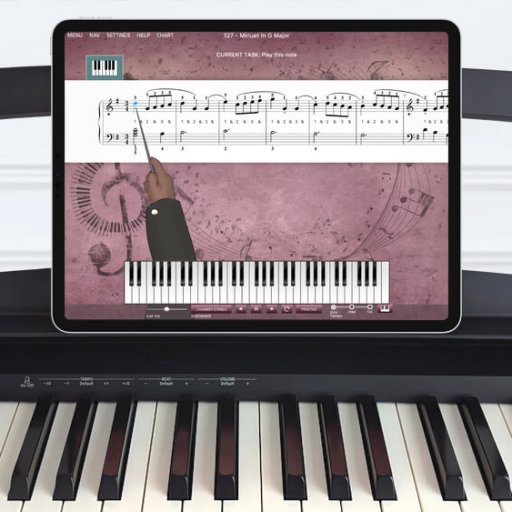
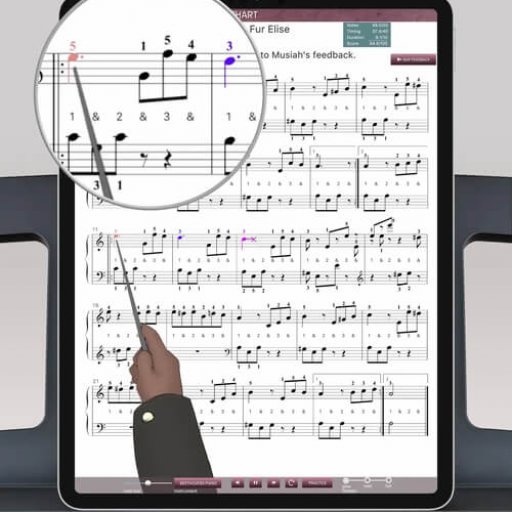
- In-app Performance Challenges: Musiah provides in-app animated performances at the end of each of its 13 levels.
The Musiah Performance Advantage
Many Musiah students comment on how "true-to-life" our animated performance challenges feel. You still experience those "performance nerves," and you still feel the incredible elation of passing. The difference? If you make a mistake, there is no public embarrassment or financial penalty. You simply learn from it and try again until you succeed.
My recommendation? Unless you have a very specific professional reason, do NOT sit for exams. Focus instead on variety, consistent progress, and the genuine joy of playing.
Experience Real Progress
Join the thousands of students reaching their goals faster with the world's first AI piano teacher.
👉 Try Musiah Free For 14 Days