Piano vs Keyboard — What's the Difference?

Understanding the key differences between a piano and a keyboard.
A piano and a keyboard look similar — both have the same black and white keys arranged in the same pattern. So what's actually different? When people ask this question, they're usually asking two distinct things: what are the physical differences between the instruments, and how do the lessons for each differ? Both are worth understanding before you decide how to start learning.
The Physical Differences Between a Piano and a Keyboard
The most significant physical difference is in the keys themselves.
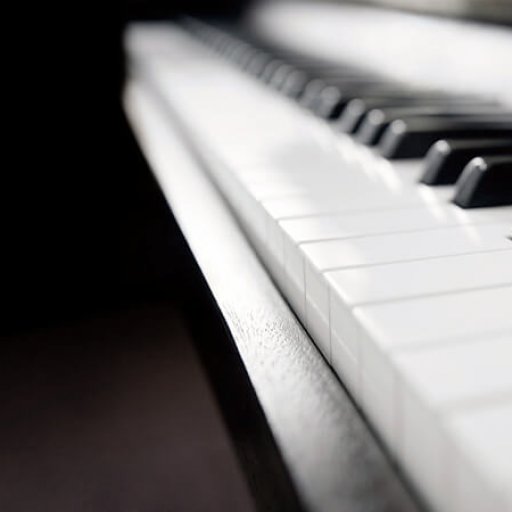
An acoustic piano has weighted keys — the keys push back against your fingers because they're connected to hammers that strike strings inside the instrument. This gives the piano its characteristic feel and its rich, resonant sound. Acoustic pianos also require regular professional tuning.
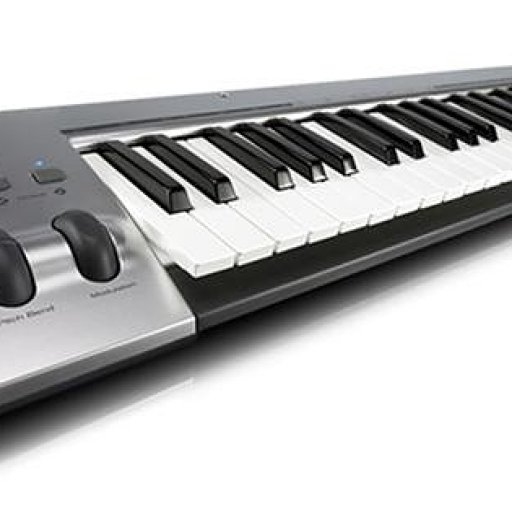
A keyboard (also called a synthesizer or electronic keyboard) has unweighted keys — they're light to the touch and easy to press. Keyboards are electronic instruments that require a power source, never need tuning, and offer a wide variety of sounds and backing tracks. They're also significantly more portable and affordable than acoustic pianos.
A digital piano sits between the two: it's an electronic instrument, like a keyboard, but with weighted keys designed to feel like an acoustic piano. If an electronic instrument has weighted keys, it's correctly called a digital piano — not a keyboard.
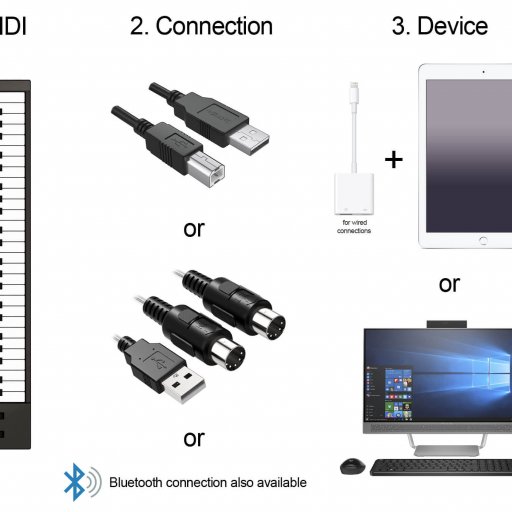
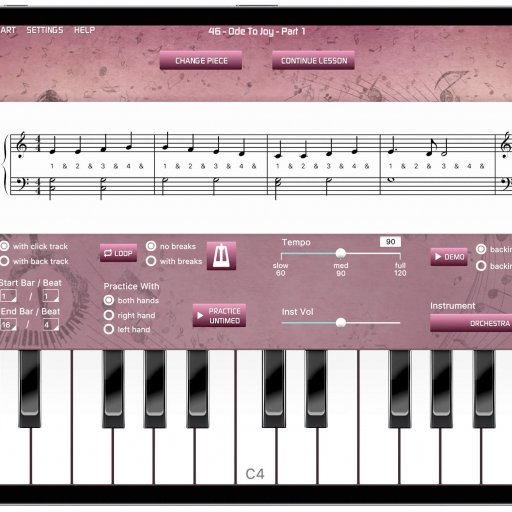
A MIDI keyboard refers to any electronic instrument — weighted or unweighted — that has MIDI connectivity, meaning it can connect to a computer or iPad. This is what Musiah students use: a MIDI keyboard (or digital piano) connected to a device running the Musiah app.
The Difference Between Piano Lessons and Keyboard Lessons
The physical difference between the instruments matters less than most people expect for beginners. The pedagogical difference between lesson types matters much more.
Keyboard Lessons
Traditional keyboard lessons typically focus only on the right-hand melody while the left hand plays one-finger chords or simple block chords. This approach can seem easier in the short term but significantly limits a student's long-term musical development. Students who learn this way often find they can't read music properly or play two hands independently even after years of lessons.
Piano Lessons
Piano lessons teach the student to read and play the notes in both hands properly, using standard sheet music notation. This provides a much deeper musical foundation — the ability to learn new pieces independently, understand music theory, and develop real technique. This is the traditional teaching method that has produced musicians for centuries.
The Musiah Approach
At Musiah, we provide traditional piano lessons — but our students learn on MIDI keyboards for practical reasons. You get the depth of a proper piano education (reading sheet music, two-hand technique, music theory) combined with the accessibility and affordability of a keyboard setup. The AI piano teacher guides you through everything, from your very first note.
Is a Keyboard the Same as a Piano?
Not exactly — but for learning purposes, a keyboard is a perfectly valid substitute for a piano, particularly in the early and intermediate stages of learning.
The main practical difference you'll notice as a learner is the key feel. Weighted keys build finger strength and develop a feel for dynamic control. Unweighted keys encourage precise, rhythmic playing. Both are legitimate instruments with their own advantages — and many students practice on both types without any issues. If anything, playing on both increases your versatility as a musician.
What matters far more than key type is the quality of the instruction. A student learning proper piano technique on an unweighted keyboard will progress much further than a student playing on a high-end digital piano with poor teaching. For a detailed comparison of weighted and unweighted keys, see our buying guide for beginners.
Over 80,000 students have learned piano through the Musiah Method
Frequently Asked Questions
The questions people ask most often about the difference between piano and keyboard:
Q: What is the difference between a piano and a keyboard?
The main difference is in the keys: a piano (acoustic or digital) has weighted keys that push back against your fingers, mimicking the feel of a traditional instrument. A keyboard has unweighted keys that are light and easy to press. Both have the same layout of black and white keys and can be used to learn music — the difference is in feel, sound, portability, and cost.
Q: Is a keyboard the same as a piano?
Not exactly, but for learning purposes they serve the same function. Both use the same key layout and the same musical notation. The physical feel is different — keyboards have lighter, unweighted keys while pianos (acoustic or digital) have heavier, weighted keys. For beginners, either instrument is a valid starting point for learning to play properly.
Q: Can I learn piano on a keyboard?
Yes — and this is exactly how Musiah students learn. Musiah provides proper piano lessons (reading sheet music, two-hand technique, music theory) delivered on a MIDI keyboard connected to a device. The teaching method is what determines how well you learn, not whether your keys are weighted or unweighted. See our guide on weighted vs unweighted keys for more detail.
Q: Should I learn on a piano or a keyboard?
For most beginners, a keyboard is the more practical starting point — it's more affordable, portable, and never needs tuning. The more important decision is the type of lessons: piano-style lessons (learning to read music and play both hands properly) are far more valuable long-term than keyboard-style lessons (right-hand melody with simple left-hand chords). Musiah teaches piano-style lessons on a keyboard, combining the best of both.
Q: What is a digital piano?
A digital piano is an electronic instrument with weighted keys designed to mimic the feel of an acoustic piano. It's more expensive than a standard keyboard but gives you the key feel of a traditional instrument. Like a keyboard, it never needs tuning and connects to devices via MIDI. For learning with Musiah, a digital piano works exactly the same as an unweighted keyboard — Musiah supports both.
Q: What equipment do I need to start learning piano with Musiah?
You need a MIDI keyboard or digital piano with at least 49 full-size keys, connected to a computer or iPad running the Musiah app. See our equipment page for full details on compatible devices and connection methods.
Start Your 14-Day Free Trial
At Musiah, we are passionate about delivering the most effective piano lessons available online. Experience the life-changing gift of music today with our supportive AI piano teacher.
👉 Try Musiah Free For 14 Days